
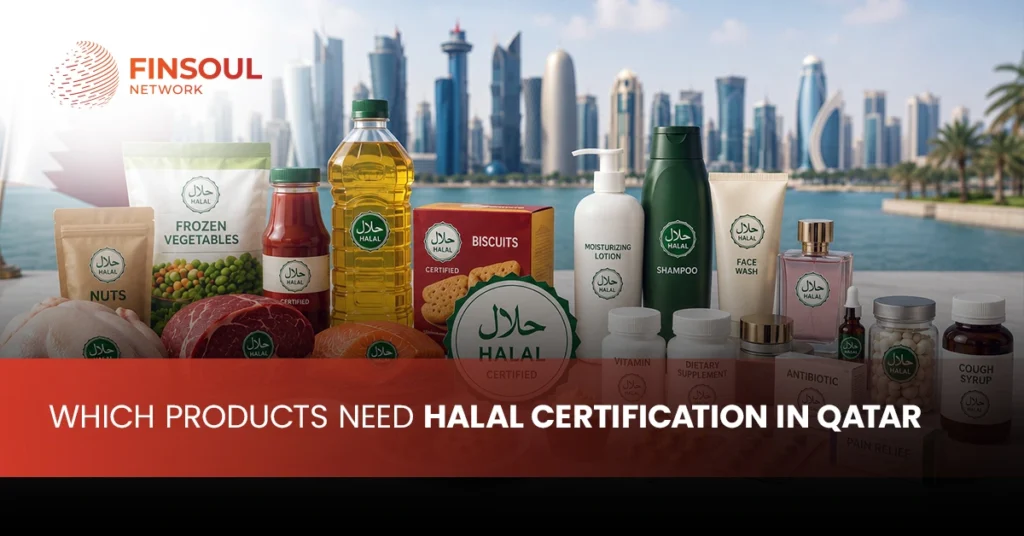
Halal certification is no longer limited to meat and poultry in Qatar. As the market grows, businesses across food, beverages, cosmetics, and pharmaceuticals are being asked to prove their products meet Halal standards.
Many business owners still assume that only butchers and meat suppliers need to worry about Halal compliance. ISO Consultancy Qatar breaks down which product categories typically require certification, why it matters, and how the process works so you can plan your compliance strategy with confidence.
What Is Halal Certification?
Halal certification confirms that a product has been produced, processed, and handled in line with Islamic dietary and lifestyle laws. It covers everything from raw material sourcing to final packaging.
Halal certification is a formal verification process carried out by an accredited certification body. It examines ingredients, production methods, and facility practices to confirm that nothing prohibited has entered the supply chain. The certification is not just a label. It represents a documented system of checks that traces a product from its source materials through manufacturing, storage, and distribution, giving buyers and regulators a reliable point of reference. For businesses, holding this certification can open doors to new markets, build trust with a wider customer base, and reduce the risk of regulatory setbacks when exporting or selling locally.
Why Businesses Pursue Halal Certification
- Market access: Many retailers, hotels, and distributors in Qatar will only stock or serve products carrying valid Halal certification.
- Consumer trust: Shoppers increasingly check for the Halal mark before buying packaged food, cosmetics, or supplements.
- Export readiness: Certification makes it easier to enter GCC and other international markets that require Halal documentation.
- Risk reduction: A documented compliance system lowers the chance of ingredient errors or cross-contamination reaching consumers.
Is Halal Certification Mandatory in Qatar?
Halal certification requirements in Qatar depend on the product type, its intended use, and applicable import rules. Not every product is legally required to carry certification, though many effectively need it to reach shelves. For meat, poultry, and many processed food imports, certification is generally expected as part of import and distribution requirements. For other categories, such as cosmetics or certain beverages, certification may be voluntary but still requested by retailers, hotels, or export partners.
It is important not to assume that every single product on the market must be certified. The real question is whether the product falls into a regulated category, whether it contains ingredients of animal origin or alcohol, and whether your target buyers or export destinations require proof of Halal status. Working with a recognised certification body helps clarify where your specific products stand.
Why Halal Certification Is Important
Certification is not just a compliance checkbox. It affects how far a product can travel through the supply chain and how much trust it earns along the way.
- Consumer confidence: Buyers can purchase without worrying about hidden animal-derived ingredients or improper handling.
- Food safety and quality: The certification process reviews hygiene, storage, and handling practices alongside ingredient checks.
- Retail and hospitality access: Supermarkets, hotels, and airlines in Qatar often require certified suppliers before onboarding.
- Export opportunities: Certified products move more easily into other Halal-conscious markets across the GCC and beyond.
- Brand reputation: A visible Halal mark signals a serious, well-managed business to both partners and customers.
Product Categories That Commonly Require Halal Certification
Certification requirements vary widely by product type. Below is a breakdown of the categories most frequently affected in Qatar.
Meat and Poultry Products
This is the most recognised category, covering fresh meat, frozen meat, processed meat, poultry, minced meat, sausages, burgers, and meat-based ready meals. Every one of these needs verification of slaughter method and sourcing.
Halal slaughter requirements are central here, along with full traceability from farm or abattoir to final packaging. Any break in this chain can compromise the product’s Halal status, regardless of how it is later processed.
Cross-contamination prevention is equally important, particularly when facilities handle both Halal and non-Halal products. Separate storage, equipment, and handling procedures are usually required to maintain certification.
Dairy Products
Milk, cheese, butter, yoghurt, cream, and ice cream may seem naturally Halal, but many contain hidden additives that need checking. Gelatine, animal-derived enzymes, and emulsifiers are common concerns in this category.
Cheese production, for example, often relies on rennet, which can be sourced from animals. Certification reviews confirm whether such processing aids meet Halal standards or whether alternative sources have been used.
Flavoured or fortified dairy products add another layer of scrutiny, since added ingredients like stabilisers or flavourings may originate from non-Halal sources and need individual verification.
Processed and Packaged Foods
Snacks, biscuits, breakfast cereals, sauces, soups, instant meals, frozen foods, confectionery, chocolate, and bakery products fall into this broad and fast-growing category. Their long ingredient lists make careful review essential.
- Multiple ingredient sources: Each additive, flavouring, or preservative may come from a different supplier, requiring individual verification.
- Cross-contamination risk: Shared processing lines for Halal and non-Halal products can compromise an otherwise compliant recipe.
Beverages
Fruit juices, soft drinks, energy drinks, malt beverages, and functional drinks are increasingly seeking Halal certification, particularly for export and hospitality sales.
Flavourings and processing ingredients used in beverage production can sometimes contain alcohol-based solvents or animal-derived stabilisers, which certification bodies check carefully during ingredient review.
Alcohol-related considerations are especially relevant here, since even trace amounts used during flavour extraction can affect a beverage’s Halal status unless proven to fall below accepted thresholds.
Confectionery Products
Gummies, marshmallows, candies, chocolate, and chewing gum are frequently flagged during Halal audits because of their reliance on gelatine and other animal-derived ingredients.
- Gelatine and emulsifiers: These are the most common non-compliant ingredients found in confectionery, often sourced from pork or non-Halal slaughtered animals.
- Flavourings and colourings: Some contain alcohol-based carriers or animal-derived pigments that require substitution or verification.
Food Ingredients and Additives
Gelatine, emulsifiers, enzymes, flavourings, colourings, preservatives, stabilisers, and shortening or fats are the building blocks that determine whether a finished product can be certified.
- Gelatine and enzymes: Frequently derived from animal sources, these require documentation proving Halal-compliant origin.
- Preservatives and stabilisers: Some contain alcohol or animal-based components that need supplier verification before approval.
Restaurants and Catering Products
Prepared meals, buffets, airline catering, hotel food services, fast food, and institutional catering all depend on certified Halal ingredients to maintain their status.
Sourcing certified ingredients is only the first step. Kitchens must also prevent cross-contamination between Halal and non-Halal dishes, which often means separate preparation areas, utensils, and storage.
For airline and hotel catering in particular, consistency matters. A single lapse in ingredient sourcing or kitchen practice can affect certification for an entire catering operation, not just one dish.
Pharmaceuticals (Where Applicable)
Capsules, syrups, nutritional supplements, vitamins, and medical nutrition products may require Halal certification, particularly gelatine-based capsules and products with animal-derived excipients.
- Gelatine capsules: A common concern, since many capsules are made from animal-based gelatine unless specified otherwise.
- Excipients: Fillers, binders, and coatings used in tablets and syrups often need individual ingredient checks.
Cosmetics and Personal Care Products
Skincare products, soaps, shampoos, toothpaste, lip care, makeup, and perfumes are an expanding segment of Halal certification demand in Qatar.
Animal-derived ingredients such as collagen, glycerin, or certain fatty acids are common in this category and require sourcing verification before a product can be certified.
Alcohol-related considerations also apply, particularly for perfumes and certain skincare formulations, alongside manufacturing controls that prevent contamination with non-Halal substances during production.
Nutraceuticals and Health Products
Protein powders, herbal supplements, energy supplements, and functional nutrition products are gaining attention as consumers pay closer attention to what goes into their daily health routines.
- Ingredient sourcing: Protein isolates and flavour bases often need verification, especially when derived from animal or fermentation processes.
- Cross-market demand: These products are frequently exported, making certification useful even where it is not strictly mandatory.
Products That May Not Require Halal Certification
Not every product needs formal certification, particularly items that are naturally Halal by composition and unprocessed.
- Fresh fruits and vegetables: Naturally Halal and typically exempt from certification requirements.
- Natural grains, mineral water, salt, and sugar: Unprocessed agricultural products generally do not require certification unless requested by a specific buyer or market.
Even so, businesses sometimes choose to certify these products for commercial reasons, export requirements, or to strengthen customer confidence in a competitive retail environment.
Key Halal Requirements for Certified Products
Meeting Halal standards involves more than checking a single ingredient list. Certification bodies look at the entire production and supply chain.
- Approved raw materials: Every input must be traceable to a verified Halal source.
- Segregation of materials: Halal and non-Halal items must be kept physically separate throughout storage and production.
- Hygienic manufacturing and packaging compliance: Facilities must meet cleanliness standards and labelling must accurately reflect certified status.
- Traceability and record keeping: Detailed records must be maintained to support audits and renewals over time.
Industries That Commonly Need Halal Certification
Certification demand spans far beyond food production alone.
- Food and beverage manufacturing: Including meat processing, poultry processing, dairy manufacturing, and beverage production.
- Hospitality and catering: Hotels, restaurants, and institutional catering rely on certified supply chains to serve diverse customer bases.
- Retail, distribution, cosmetics, and pharmaceutical manufacturing: Each of these sectors increasingly requires certification to meet buyer and consumer expectations.
Halal Certification Process for Products
Understanding the certification journey helps businesses plan timelines and allocate resources correctly.
Step 1: Product Eligibility Assessment
Confirm that the product falls within a category suitable for Halal certification, ensuring it meets the basic requirements for consideration.
Step 2: Ingredient Review
Examine every component against Halal standards, verifying that no prohibited substances are present in the formulation.
Step 3: Supplier Verification
Check that raw material providers can demonstrate compliant sourcing and handling practices throughout their operations.
Step 4: Facility Inspection
Inspect production lines, storage areas, and hygiene practices to ensure they meet Halal and food safety requirements.
Step 5: Documentation Review
Evaluate specifications, records, and internal procedures to confirm they align with Halal certification standards.
Step 6: Corrective Actions
If gaps are identified, corrective actions are requested, giving businesses the chance to resolve issues before the audit continues.
Step 7: Certification Audit
A formal audit is conducted by accredited bodies. Passing this audit leads to certificate issuance, allowing the product to carry the Halal mark.
Step 8: Certificate Issuance
Once approved, the product receives official Halal certification, enabling market access and consumer trust.
Step 9: Ongoing Renewal & Surveillance
Maintain compliance through periodic reviews, surveillance audits, and certificate renewals to ensure standards are upheld consistently.
Documentation Required
Preparing the right paperwork in advance can significantly speed up the certification process.
- Product and ingredient details: Product specifications, ingredient lists, and supplier certificates.
- Process records: Manufacturing process flowcharts, cleaning and sanitation procedures, and traceability records.
- Labelling and quality records: Product labels, packaging specifications, internal audit reports, and training records.
Common Challenges in Achieving Halal Certification
Businesses often underestimate how much groundwork is needed before a successful audit.
- Identifying non-Halal ingredients: Hidden animal-derived components in additives or processing aids are easy to overlook.
- Supplier compliance and cross-contamination risks: Weak oversight of suppliers or shared production lines can undermine an otherwise solid application.
- Documentation and traceability gaps: Inadequate records or weak traceability systems are among the most common reasons for delayed certification.
Best Practices for Halal Compliance
Consistent, well-documented processes make certification easier to achieve and maintain.
- Source from approved suppliers and maintain traceability: Build relationships with verified suppliers and keep detailed records of every batch.
- Train employees and conduct regular audits: Staff awareness and periodic internal reviews catch problems before external auditors do.
- Review formulations and keep documentation updated: Any recipe change should trigger a fresh ingredient review to protect certified status.
Conclusion
Halal certification in Qatar extends well beyond meat products. Food, beverages, pharmaceuticals, cosmetics, and a growing range of consumer goods can all require certification depending on their ingredients, manufacturing processes, and market expectations.
Businesses should evaluate each product category individually, verify ingredient sources, and put strong traceability and contamination controls in place. Maintaining accurate documentation throughout the process makes both initial certification and ongoing renewal far more manageable.
Manufacturers, importers, and distributors are encouraged to work with recognised Halal certification experts. Doing so not only ensures compliance with applicable requirements but also strengthens consumer trust and opens the door to broader domestic and international markets.
Get Halal Certification Support Today
If you are unsure whether your products need Halal certification, our team can review your ingredients, processes, and target markets to give you a clear answer. We work with food, beverage, cosmetic, and pharmaceutical businesses across Qatar to make the certification process straightforward.
Reach out today to discuss your product line and get started on your certification journey.
Email: info@finsoulnetwork.com
Frequently Asked Questions
Which products require Halal certification in Qatar?
Meat, poultry, dairy, processed foods, beverages, confectionery, and many pharmaceutical and cosmetic products commonly require certification, depending on ingredients and intended market.
Is Halal certification mandatory for imported food products?
Many imported food products, particularly meat and processed items, are expected to carry Halal certification to clear import and distribution requirements in Qatar.
Do dairy products need Halal certification?
Dairy products often need certification because of animal-derived enzymes, gelatine, or emulsifiers used during processing, even when the base ingredient is milk.
Can cosmetics receive Halal certification?
Yes, cosmetics such as skincare, soaps, and makeup can be certified once their ingredients and manufacturing processes are verified as compliant.
Do restaurants need Halal certification?
Restaurants, catering companies, and hospitality businesses often pursue certification to source compliant ingredients and meet customer and market expectations.